

Ultrasound Machine and Their Importance in Medical Diagnostics
Ultrasound machine in Pakistan Offer By Medical Hut are essential tools in medical diagnostics, providing real-time, non-invasive imaging of the body’s internal structures. By emitting high-frequency sound waves, ultrasound machines create images that help healthcare providers diagnose a variety of conditions. Unlike other imaging techniques, ultrasound doesn’t use harmful radiation, making it particularly safe for patients of all ages.
These ultrasound machines in pakistan are widely used in obstetrics to monitor fetal development, detect abnormalities, and ensure maternal health. Ultrasound is also invaluable in other fields, such as cardiology, where it helps assess heart function, and urology, where it’s used to examine the kidneys and bladder. Additionally, ultrasound is instrumental in guiding minimally invasive procedures like biopsies or fluid drainage, offering real-time images to ensure precision and reduce risk.
Ultrasound Technology Has Become Essential in Clinics, Hospitals, And Diagnostic Centers In Pakistan
Ultrasound technology has become indispensable in clinics, hospitals, and diagnostic centers across Pakistan due to its affordability, safety, and versatility. In a healthcare system where timely and accurate diagnostics are critical, ultrasound machines provide a reliable solution for a wide range of medical conditions. They are especially important in obstetrics and gynecology, allowing healthcare providers to monitor pregnancies, assess fetal health, and detect complications early without the use of harmful radiation.
In addition to maternity care, Ultrasound machines in Pakistan is widely used in cardiology, urology, and orthopedics to examine the heart, kidneys, and musculoskeletal system, aiding in the detection of conditions like heart disease, kidney stones, and joint problems. The real-time imaging capability of ultrasound also makes it ideal for guiding minimally invasive procedures, enhancing precision and patient safety.
As healthcare accessibility improves in Pakistan, ultrasound technology continues to play a vital role in offering efficient, non-invasive, and cost-effective diagnostic solutions across the country.
Portable vs. Stationary Ultrasound Machines: Key Differences and Ideal Uses
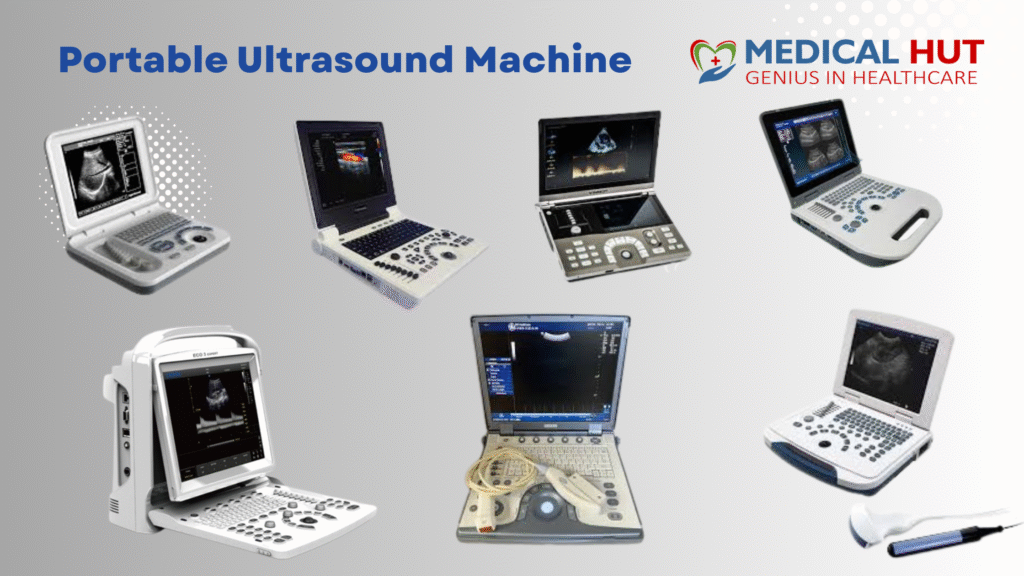
1. Portability:
- Portable Ultrasound Machine in Pakistan are compact, lightweight devices designed for mobility. They are easy to carry and ideal for point-of-care settings such as emergency rooms, ambulances, rural clinics, and home visits.
- Stationary Ultrasound Machines are larger, fixed devices typically used in hospitals, diagnostic centers, and specialist clinics. They offer more advanced features but are not designed for mobility.
2. Image Quality and Features:
- Portable Ultrasound Machines often have slightly lower image resolution compared to stationary models. However, recent advancements have greatly improved their quality, making them suitable for a wide range of diagnostic applications.
- Stationary Ultrasound Machines provide superior image quality, more advanced features (such as 3D/4D imaging, higher-frequency probes, and better color Doppler), and are preferred for detailed imaging and specialized procedures.
3. Ideal Use Cases:
- Portable Ultrasound Machines are ideal for situations that require quick, on-the-go imaging. They are perfect for emergency situations, mobile clinics, rural healthcare settings, and in-patient bedside diagnostics.
- Stationary Ultrasound Machine in Pakistan are better suited for high-volume hospitals, specialized imaging centers, and clinical settings where detailed and high-quality imaging is essential for accurate diagnosis and treatment planning.
2D, 3D, and 4D Ultrasound Machines: Image Resolution Options and Their Uses
Ultrasound technology has evolved significantly, offering different types of imaging resolutions—2D, 3D, and 4D—each serving specific medical purposes. Here’s a breakdown of the three options:
- 2D ultrasound is the most common, providing basic imaging for many general diagnostic applications.
- 3D ultrasound offers a more detailed and clearer image for specialized uses, particularly in obstetrics and musculoskeletal imaging.
- 4D ultrasound provides real-time, dynamic 3D imaging, particularly useful in prenatal care to observe fetal movements and conditions.
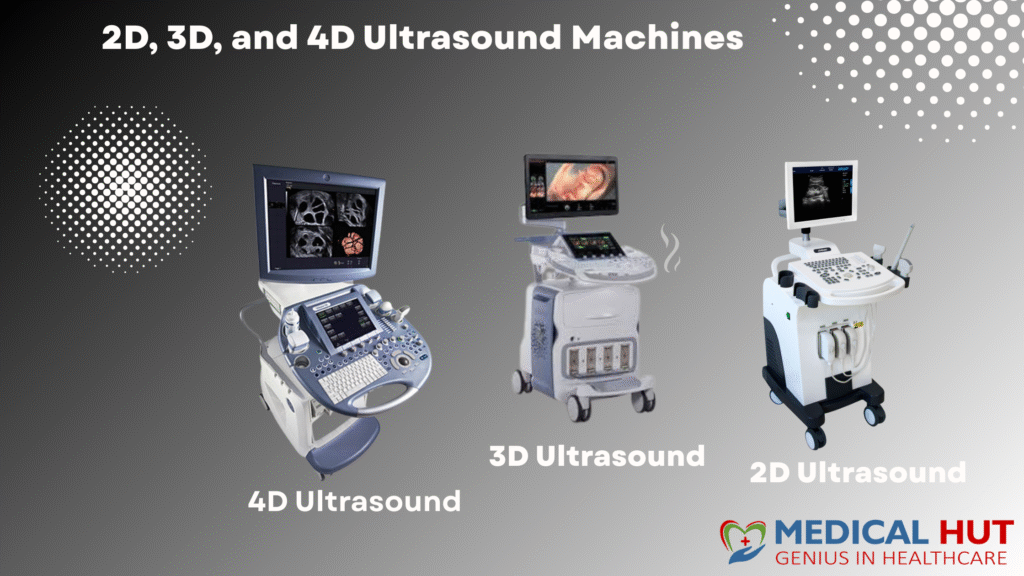
1. 2D Ultrasound Machine:
- Image Resolution: 2D ultrasound provides a flat, two-dimensional black-and-white image of the body’s internal structures. It uses sound waves to create a cross-sectional view of tissues, organs, and blood flow.
- Uses:
- Most commonly used in general diagnostics, especially in obstetrics to monitor fetal development, measure organ size, and detect abnormalities.
- Widely used in cardiology, urology, and musculoskeletal imaging.
- Ideal for basic, quick, and cost-effective imaging.
2. 3D Ultrasound Machine:
- Image Resolution: 3D ultrasound generates a three-dimensional image of the area being examined by combining multiple 2D images into a three-dimensional model. The image is clearer and more detailed than 2D ultrasound.
- Uses:
- Obstetrics: Often used for more detailed imaging of the fetus, such as to capture facial features or detect structural abnormalities.
- Orthopedics: Helps in visualizing bone structures or joints in 3D, aiding in more precise diagnosis of fractures or deformities.
- Planning surgical procedures: It offers better precision for procedures requiring detailed anatomical views.
3. 4D Ultrasound Machine:
- Image Resolution: 4D ultrasound is similar to 3D ultrasound but adds the dimension of time, allowing for real-time imaging. It captures movement, providing a dynamic 3D image sequence.
- Uses:
- Obstetrics: It is commonly used in prenatal care to capture real-time images of the fetus moving, allowing parents and doctors to observe facial expressions, hand movements, and other real-time developments.
- Medical Procedures: It can be useful in procedures requiring visual guidance with the added benefit of dynamic movement.
- Cosmetic and Reconstructive Surgery: 4D imaging helps plan surgeries by providing a detailed and real-time view of anatomical structures.
The choice of ultrasound technology depends on the level of detail required, the clinical situation, and the specific diagnostic needs.
Color Doppler Ultrasound Machines: Enhancing Blood Flow Imaging and Diagnosis
Color Doppler Ultrasound Machine In Pakistan is an advanced imaging technique that builds upon traditional ultrasound technology to visualize blood flow within vessels and organs. This technology uses sound waves to measure the velocity and direction of blood flow, which are then represented in color images. The Doppler effect, which occurs when sound waves bounce off moving objects, is the key principle behind this technology.
How Color Doppler Ultrasound Works:
Color Doppler ultrasound works by emitting high-frequency sound waves into the body, which bounce back when they hit moving blood cells. The machine analyzes these sound waves to determine the speed and direction of blood flow, and displays this information in a color-coded format. The colors on the screen represent different blood flow velocities:
- Red: Blood flowing toward the ultrasound probe.
- Blue: Blood flowing away from the probe.
- Greyscale: Static structures such as blood vessel walls and tissues.
Diagnostic Features and Benefits Of Ultrasound Machine In Pakistan:
- Blood Flow Visualization:
- Color Doppler provides a dynamic view of blood flow, allowing doctors to assess the functionality of the heart, blood vessels, and organs. This is particularly useful in detecting conditions like blockages, narrowed arteries, and aneurysms.
- Cardiology:
- In cardiology, Color Doppler is often used to evaluate heart function. It helps detect valvular diseases, heart murmurs, and abnormal blood flow patterns. It can visualize how well the heart is pumping blood and whether there are any irregularities in the flow of blood through the heart chambers.
- Vascular Imaging:
- In vascular studies, Color Doppler ultrasound is commonly used to detect deep vein thrombosis (DVT), arterial blockages, and varicose veins. It helps in assessing blood flow in veins and arteries, ensuring proper circulation.
- Pregnancy Monitoring:
- During pregnancy, Color Doppler ultrasound is used to assess blood flow to the fetus, ensuring the placenta and umbilical cord are functioning properly and that the fetus is receiving adequate oxygen and nutrients.
- Organ Evaluation:
- Color Doppler can also be used to examine blood flow to organs such as the liver, kidneys, and spleen. It helps detect organ congestion, tumors, and cysts by showing blood flow irregularities.

Color Doppler ultrasound is an invaluable tool in diagnosing cardiovascular and vascular conditions by providing real-time, color-coded images of blood flow. Its ability to detect abnormalities in blood circulation makes it an essential tool in both routine check-ups and complex diagnostic procedures.
Leading Brand Of Ultrasound Machine In Pakistan for Clinics & Hospitals
GE Healthcare Ultrasound Machine In Pakistan
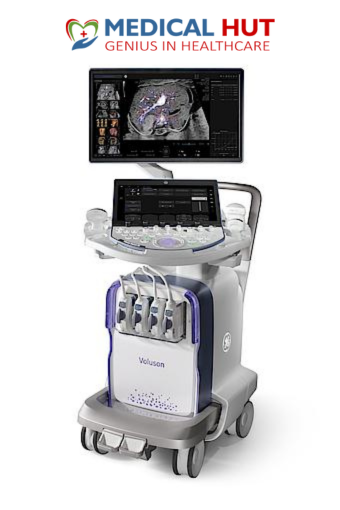
- Strengths & Advantages
- GE’s “Voluson,” “Logiq,” and “Vivid” series are widely recognized for high‑quality imaging across general diagnostics, OB/GYN, cardiology, and vascular applications.
- Their 3D/4D innovations (e.g. HDlive™) provide excellent anatomical detail, especially for obstetric and fetal imaging — useful for clinics offering prenatal services
- Broad global support and brand trust, which helps in resale value and service/maintenance — useful when offering after‑sale services to Pakistani buyers.
- Potential Limitations
- High‑end models are expensive. For budget‑constrained clinics, the cost may be prohibitive.
- Older or entry‑level units (especially in portable/refurbished category) may lag behind newer machines in Doppler sensitivity or advanced imaging options.
Philips Ultrasound Machine In Pakistan
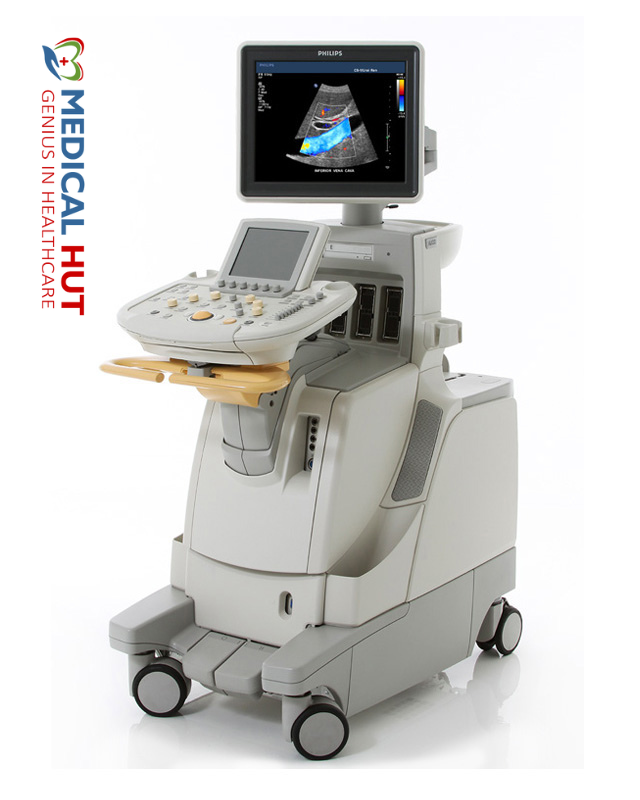
- Strengths & Advantages
- Philips offers a wide range — from portable systems to high-end consoles — covering OB/GYN, vascular, cardiology, general imaging.
- High-end models (e.g. EPIQ series) use advanced technologies such as “xMATRIX” transducers and PureWave crystals for excellent image resolution, depth, and clarity.
- Ergonomic design and relatively intuitive user interface, which reduces training time for sonographers.
- Potential Limitations
- Some mid-range or budget models may omit advanced features (like high-definition Doppler or shear-wave elastography), making them less suitable for specialised diagnostics.
- Portables tend to rely on touchscreen input; for heavy‑use clinics, a physical keyboard might be preferable, and some users find touch-only setups less efficient.
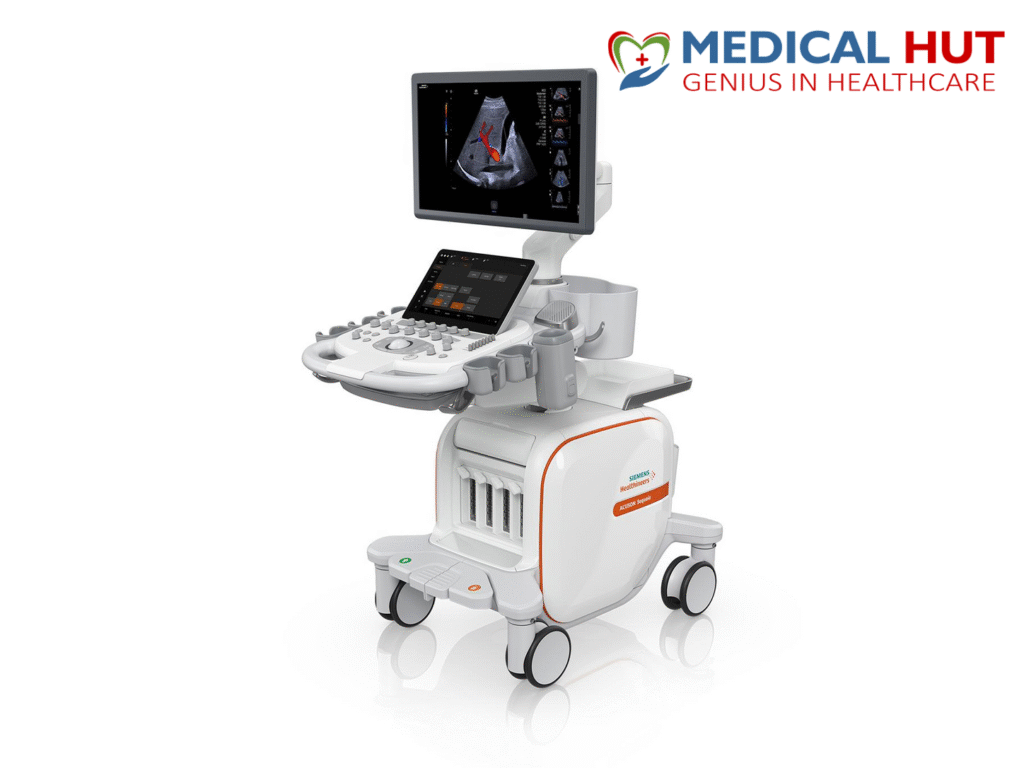
Siemens Ultrasound Machine In Pakistan.
- Strengths & Advantages
- Broad model range: from entry‑level to high-end. Siemens “Acuson X‑/S‑series” machines provide good performance for general imaging (OB/GYN, vascular, abdominal, musculoskeletal, etc.) even in mid‑range models.
- Known for reliable image quality and robustness — useful for busy diagnostic centers or hospitals.
- Potential for upgrade: many entry/mid-range units can be upgraded to “shared-service” systems (i.e. expanded functionality) with added hardware or software.
- Potential Limitations
- While versatile, entry-level or mid-range models might lack some advanced 3D/4D rendering or latest Doppler features, which could be limiting for specialized diagnostics.
- Upgrades to shared-service capabilities add extra cost and setup — which may not suit small clinics or first-time buyers focused on core ultrasound needs.
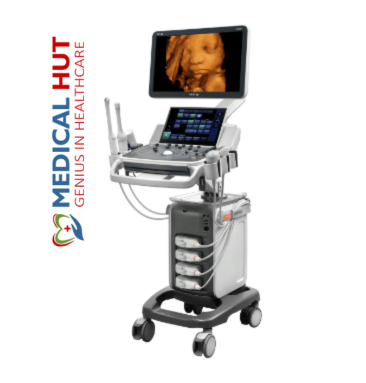
Mindray Ultrasound Machine In Pakistan.
- Strengths & Advantages
- Offers a strong balance between affordability and features — many units deliver good image quality and Doppler capability at a lower price point than the premium brands.
- Models like the DC‑series (e.g. DC‑70, DC‑40) provide 3D/4D imaging, Doppler, and auto‑measurement tools, which makes them useful for general imaging, OB/GYN, and point‑of-care settings. Because of lower cost & reasonable performance, they are often preferred by smaller clinics or diagnostic centers in regions where cost is a major consideration.
- Potential Limitations
- While good for many applications, image penetration and detail (especially in complex cases or obesity) may not match premium-tier systems — which can limit diagnostic accuracy in some scenarios.
- Workflow and interface — though generally user-friendly — may not have the same level of ergonomic finesse or advanced automation as premium systems, which might impact throughput in high-volume diagnostic centers.
What Medical Hut Offer To Our Clients For Ultrasound Machine In Pakistan.
- Premium brands (GE, Philips, Siemens) suit hospitals, advanced diagnostic centers, and obstetric/gynecology practices that demand high image quality, advanced Doppler/3D/4D features, and long-term reliability.
- More budget‑conscious clients — like small clinics, rural centers, or diagnostic labs starting out — may prefer brands like Mindray, which offer acceptable performance and broader value for money.
- Offering a range of brands and models (from high-end to affordable) gives you flexibility and allows clients to choose based on their budget, specialization, and expected patient load.
- Given your position as an importer in Pakistan, after‑sales support and maintenance coverage (service parts, probes, training) should be emphasized — especially for premium systems whose value depends on proper upkeep and calibration.
Factors to Consider When Choosing an Ultrasound Machine In Pakistan.
When selecting an ultrasound machine, several critical factors determine whether the device will meet clinical needs effectively, reliably, and affordably.
Budget: Balancing Cost with Performance and Reliability
- The upfront purchase price is often the starting point. But beyond that, consider ongoing costs — probes, software upgrades, maintenance, spare parts.
- A tight budget may push toward entry‑level or mid‑range machines; these can be adequate for basic diagnostics.
- For long-term value, it’s often worth investing a bit more initially for a reliable, durable machine — especially if the practice expects moderate-to-high patient volume.
Image Quality: Why High‑Definition Images Matter
- High-quality imaging directly impacts diagnostic accuracy — clearer resolution, better tissue differentiation, deeper penetration, sharper detail.
- Advanced systems typically offer better grayscale fidelity, Doppler sensitivity, and support for high-resolution probes/transducers.
- For specialties like cardiology, vascular studies, fetal imaging, or musculoskeletal diagnostics, superior image clarity can significantly affect diagnostic confidence and outcomes.
Ease of Use: User Interface and Workflow Efficiency
- A machine with intuitive controls, presets for common exams, and streamlined workflow reduces operator fatigue — especially important in high-throughput settings.
- Ergonomic design, logical layout, and manageable system complexity help sonographers work more efficiently and minimize training time.
- For settings like emergency rooms or mobile clinics, speed and simplicity often matter more than optional advanced features.
Maintenance and Support: After‑Sales Service, Parts, and Longevity
- Regular calibration, preventive maintenance, and servicing are essential to maintain diagnostic accuracy over time.
- Availability of spare parts, probes, and technical support — especially in your region — is critical. Without these, even a powerful machine can become unusable.
- For used or refurbished machines, ensure the vendor offers at least basic servicing or a maintenance plan to avoid downtime or degraded performance.
Warranty: Ensuring Protection and Risk Mitigation
- Warranty coverage safeguards against manufacturing defects, early failures, or compatibility issues (especially with probes and software).
- For refurbished or pre-owned machines, lack of warranty increases risk — worth factoring into cost-benefit analysis.
- A solid warranty may also signal manufacturer confidence and often comes with better access to official support and updates.
Brand Reputation: Why It Matters in Diagnostic Equipment
- Established brands with proven track records often offer better build quality, reliability, and longevity.
- A reputable brand usually has a broader network for support, parts, training, and maintenance — particularly important for ongoing operations in clinics or diagnostic centers.
- Brand reputation matters for resale value, ease of obtaining spare parts, and overall trust — relevant both for buyers and for patients’ perception of service quality.
| Factors to Consider | Description | Importance |
| Budget: Balancing cost with performance and reliability | Consider initial cost and long-term service costs. Choose a machine that fits your budget but provides sufficient features and reliability. | Directly impacts the overall cost of ownership. |
| Image Quality: Why high-definition images matter for accurate diagnostics | High-definition imaging enhances diagnostic accuracy. Prioritize systems with good resolution for detailed views, especially in complex cases. | Essential for accurate diagnostics, especially in specialized imaging. |
| Ease of Use: User-friendly interface for healthcare professionals | Look for machines with an intuitive interface and customizable presets to streamline daily use and reduce training time. | Affects efficiency but is less critical than image quality or reliability. |
| Maintenance and Support: Availability of after-sales service and maintenance options | Choose brands with strong after-sales support and easy access to service parts, ensuring longevity and minimal downtime. | Ensures your equipment remains functional for longer periods. |
| Warranty: Importance of checking the warranty and service coverage | Ensure the machine has a comprehensive warranty to cover potential defects and avoid unexpected costs. | Protects against unexpected costs and machine failures. |
| Brand Reputation: Why brand reputation matters when investing in diagnostic equipment | Opt for trusted brands with a strong reputation in the market for reliability, service, and ease of resale. | Influences long-term reliability and customer trust. |
How to Assess Your Needs When Choosing an Ultrasound Machine In Pakistan.
When selecting an ultrasound machine, clinics and hospitals must assess their unique needs based on several critical factors. Understanding the volume of patients, the types of diagnostic features required, and the size of the facility can help determine whether a high-end model or a more affordable option is the right choice. Here’s a breakdown of how to assess these needs:
1. Patient Volume
- High-Volume Clinics or Hospitals: If the facility handles a large number of patients daily, especially in busy departments like obstetrics, cardiology, or emergency care, investing in a high-end ultrasound machine is often the best choice. These models offer advanced features, faster processing, and higher throughput, which are crucial in environments where speed and accuracy are paramount.
- Small Clinics or Specialist Practices: For clinics with lower patient volumes or those offering specialized services, a mid-range or portable ultrasound machine may be sufficient. These models still provide good image quality and essential features but at a more affordable price point.
2. Required Diagnostic Features
- Specialized Diagnostics: For facilities that need to conduct specialized procedures such as advanced cardiac imaging, 3D/4D imaging, or Doppler studies (e.g. vascular or obstetric exams), a high-end model with specific features (e.g. 3D/4D capabilities, color Doppler, elastography) is essential. These systems provide high-resolution images and more advanced functionality to ensure accurate diagnosis, which is critical for specialized treatments.
- General Diagnostics: If the facility’s main focus is on routine examinations such as abdominal imaging, musculoskeletal checks, or basic obstetric scans, a mid-range or entry-level model may be sufficient. These machines are generally less expensive and still deliver good quality imaging for standard diagnostic applications.
3. Facility Size and Space Constraints
- Large Hospitals or Diagnostic Centers: Larger hospitals with dedicated imaging departments often have the space and resources for stationary ultrasound machines, which are more robust and offer comprehensive features. These machines are ideal for clinics or departments that have high demand and need advanced functionality for complex diagnostic tests.
- Small Clinics or Mobile Practices: In smaller clinics or mobile practices, portable ultrasound machines are a better fit. They take up less space and are easy to move between exam rooms or even to different locations for home visits or remote diagnostics. While they may not offer the same high-end imaging as stationary machines, modern portable models provide excellent image quality for routine procedures.
4. Budget Considerations
- High-End Models: These machines come with top-of-the-line features, such as high-definition imaging, 3D/4D capabilities, advanced Doppler technology, and superior transducers. They are ideal for large hospitals or specialized clinics that perform high volumes of complex diagnostics and require superior imaging precision. However, they come with a significantly higher price tag.
- Mid-Range and Affordable Models: For general diagnostics or smaller facilities, a mid-range or affordable ultrasound machine may be more appropriate. These machines typically provide reliable imaging for basic procedures and can handle lower volumes of patients without sacrificing image quality. Many models offer excellent value, providing essential features without the premium cost.
5. Technological Needs and Future-Proofing
- Long-Term Investment: If the clinic or hospital plans to expand services or upgrade diagnostic capabilities in the future, it might be wise to choose a machine that can be easily upgraded or one that supports future technologies, such as cloud integration, AI-based analysis, or wireless connectivity.
- Immediate Needs: For facilities with limited budgets or those in early stages of development, focusing on immediate requirements (such as core diagnostic features) and opting for more affordable options can be a good strategy. They can always upgrade as the practice grows.
| Model / Product Name | Key Features / Notes |
| Emperor N5 Portable Color Doppler Ultrasound Machine | Portable Doppler ultrasound with Wi‑Fi connectivity and high‑definition imaging, suitable for mobile clinics or smaller practices. |
| Apollo 7 Portable Ultrasound Machine | Lightweight, compact design; supports multiple probes; offers clear imaging — good for OB/GYN, abdominal, urology, MSK use in small clinics or field settings. |
| Portable 4D Color Doppler Ultrasound Machine (SIUI Apogee 2300) | High-end portable 3D/4D + color Doppler system — supports multiple imaging modes (B‑mode, Color Doppler, Power Doppler, PW Doppler) and suits OB/GYN, cardiology, vascular, abdominal, and general diagnostics. |
| D8 Notebook Digital Ultrasound Machine | Compact notebook‑style ultrasound, useful for small clinics with limited space — suitable for general imaging tasks. |
| Hitachi-7000 Color Doppler Ultrasound Machine (Refurbished) | Larger, fixed (or semi‑portable) Doppler system — may suit diagnostic centers or hospitals needing more robust performance at a lower price point (refurbished). |
| Bistos BT-200 Fetal Doppler | Handheld fetal Doppler — basic, low-cost device for monitoring fetal heartbeat, suitable for small maternity clinics or prenatal follow-ups. |



Awesome! Its genuinely remarkable post, I have got much clear idea regarding from this post
There is definately a lot to find out about this subject. I like all the points you made
I do not even understand how I ended up here, but I assumed this publish used to be great
Very well presented. Every quote was awesome and thanks for sharing the content. Keep sharing and keep motivating others.
I do not even understand how I ended up here, but I assumed this publish used to be great
I like the efforts you have put in this, regards for all the great content.